EN
EN
 ID
ID


Category: Performance / Training Reading time: 4 min
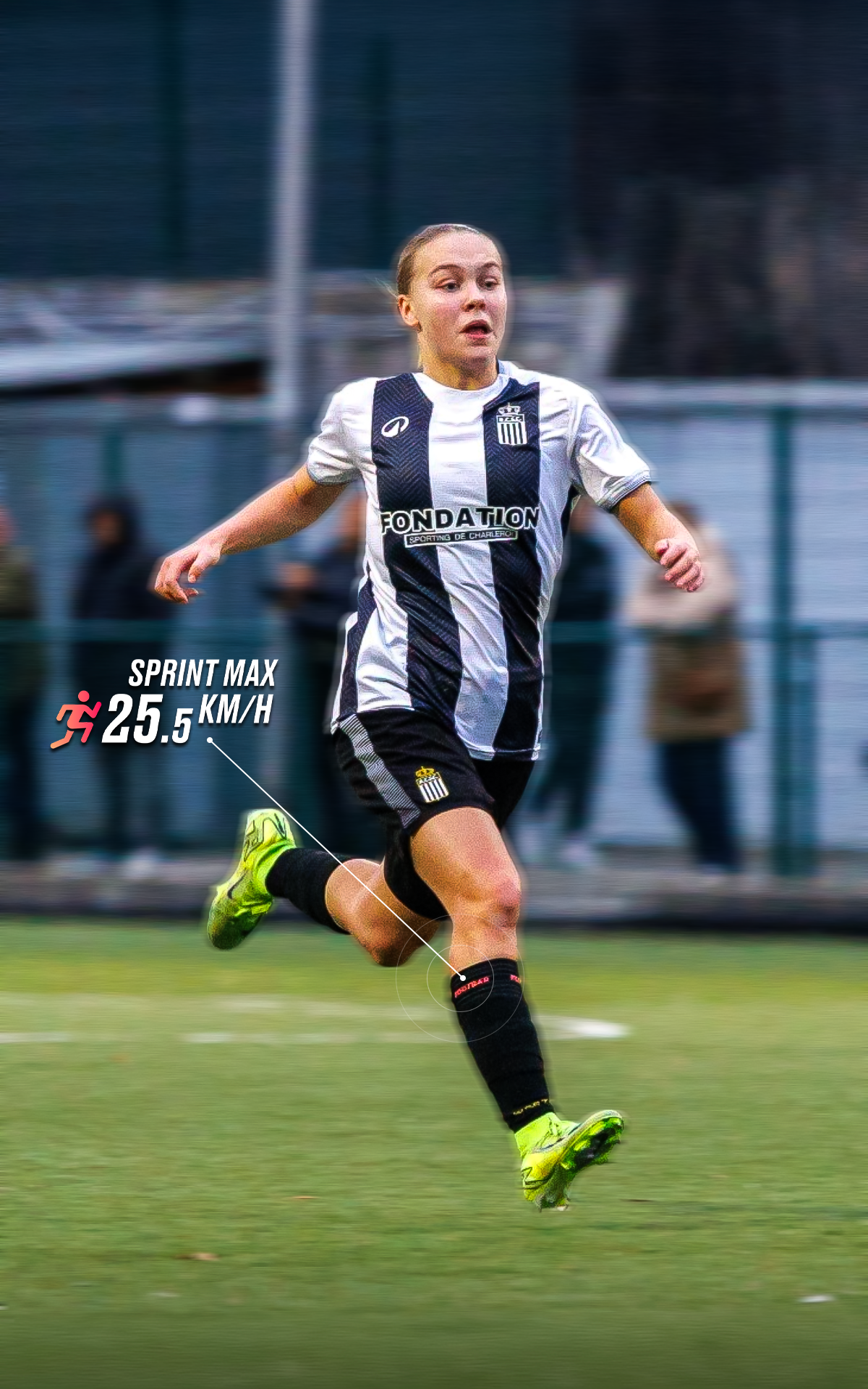
Speed has become essential in modern football. Whether it's to get in behind the defense on an attacking play or to catch an opponent in defense, the ability to accelerate hard and reach high speed is a major asset for any footballer.
On the Footbar app, Max Speed is often the statistic you compare first with your teammates. This is normal, it's a spectacular data point. But it's also a physical quality that requires very precise work.
Many players think that just running a lot is enough to run fast. In reality, speed is a specific quality that requires a different training method than endurance.
Here are the keys to understanding and developing your maximum speed.
1. Speed: A matter of freshness
To improve your speed, it is important to understand what is happening in your body. Pure speed does not depend on your breath (cardio), but on your nervous system and your muscles.
It is a very intense but very short effort. For your body to learn to go faster, it must be able to produce a maximum effort (100%).
Coach's tip: If you train when you are already tired or out of breath, you will be working on your resistance, but you will not gain top speed. To work on speed, you need to be fresh.
2. Typical training: Prioritizing quality
To improve your Max Speed, the goal is not to accumulate kilometers, but to perform perfect sprints.
Here is a typical session to integrate into your week (outside of matches):
-
Warm-up (20 min): It must be complete and progressive. Start with a light jog, then include drills (high knees, butt kicks) and finish with a few progressive accelerations.
-
Speed session:
-
Distance: 30 to 40 meters maximum.
-
Volume: 4 to 6 sprints in total.
-
Intensity: Give it your all. The goal is to reach your maximum speed on each repetition.
-
-
Recovery (The key point): This is the secret to progress. Take 3 minutes of complete rest (slow walking) between each sprint.
-
Why? This time is necessary for your "battery" of explosive energy to recharge 100%. If you start too quickly, you will have less energy and you will run slower.
-
3. Technique: Running relaxed to run fast
Have you ever noticed that great sprinters seem "easy" when they run? This is because tension slows down movement.
To optimize your running mechanics, focus on two points:
-
Upper body: Try to keep your face and shoulders relaxed. Your arms are your best allies: they should act as an active pendulum, swinging back and forth, to set the rhythm of your legs.
-
Ground contact: To go fast, you need to be dynamic on the ground. Aim to bounce, spending as little time as possible in contact with the turf, almost as if the ground were hot.
4. Strength training: The basis of explosiveness
Speed is about expressing strength quickly. To help your legs propel your body, a few simple strengthening exercises are very useful:
-
Plyometrics: Exercises like broad jumps or box jumps teach your muscles to be explosive.
-
Core strengthening: A strong core allows for better transmission of leg power to the ground. Don't neglect abdominal work.
5. Using Footbar to track your progress
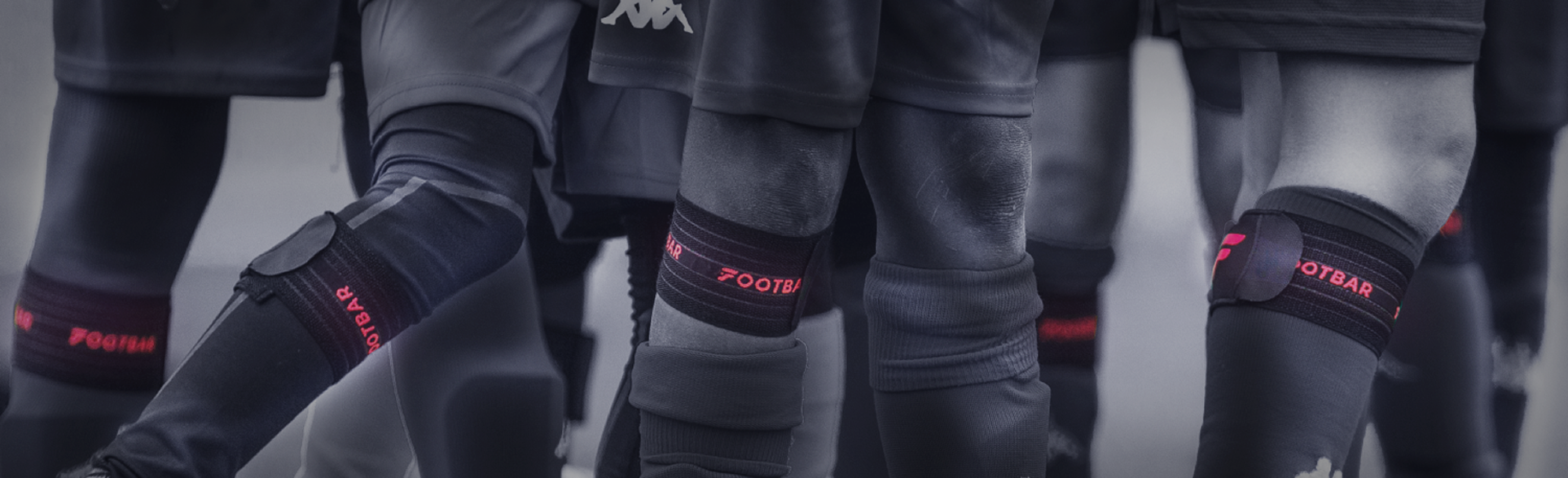
Your Footbar sensor is an excellent tool to validate your work and get to know yourself better.
-
Measure progress: Observe the evolution of your Max Speed month after month. If you follow these tips, you should see your average increase.
-
Monitor fatigue: If you notice that your Max Speed decreases over several consecutive sessions even though you're giving your all, it's often a sign of general physical fatigue. It might be time to ease off training to recover better.
- Contextualize performance: If your Max Speed in a match is sometimes lower than your expectations, take a step back. To reach your top speed, you need to be able to accelerate over a long distance. This is not always possible depending on the match scenario, the size of the field, or your position (a defensive midfielder often has less space than a winger). These observations, made possible by the analysis of Footbar's R&D department, are detailed in this article.
To remember: Speed is built with patience, technique, and plenty of recovery. Integrate these principles into your routine, analyze your stats on the app, and keep enjoying yourself on the field!